How to Lower Cholesterol Without Medication
If you're searching for how to lower cholesterol without medication, you're not alone. Many people are looking for natural ways to manage their heart health, whether they want to avoid prescription drugs, reduce side effects, or simply adopt a more holistic lifestyle. The great news? With the right combination of food, exercise, and daily habits, it's entirely possible to lower your cholesterol naturally and effectively.
In this comprehensive guide, you'll learn how to reduce LDL ("bad") cholesterol, raise HDL ("good") cholesterol, and support long-term cardiovascular health—all without a single pill. Whether you've already been diagnosed with high cholesterol or you're looking to prevent it, the following evidence-backed strategies can help you take control. We’ll also link you to key supporting resources, including our guides on how to lower cholesterol with diet and how to lower LDL.
Why Cholesterol Matters
Cholesterol is a waxy, fat-like substance in your blood. Your body uses it to build cells and make hormones. But too much LDL cholesterol—or not enough HDL—can lead to plaque buildup in your arteries, increasing the risk of heart attack and stroke.
When managed properly, cholesterol doesn't have to be a life-threatening issue. Instead of relying on medications like statins, many people opt for lifestyle-based approaches that improve their numbers while boosting overall health.
In fact, studies from the American Heart Association show that lifestyle changes can be just as effective as statins for many people with mild to moderate cholesterol elevations. These changes come with added benefits—like improved energy, better digestion, and reduced inflammation.
The Power of Lifestyle: How Natural Choices Make a Big Difference
Before diving into specific tips, let's understand why natural methods are so effective. Lifestyle interventions - like exercise, dietary changes, stress management, and sleep - directly influence the body's ability to regulate cholesterol production, absorption, and clearance.
Your liver controls cholesterol levels. It produces cholesterol and removes it by packaging it into HDL for disposal or into LDL for transport in the bloodstream. Lifestyle can affect every stage of this process.
Studies show that making even modest changes to your habits can lower LDL cholesterol by 10–20%, and when you combine multiple strategies, the effects are even greater.
For instance, combining a high-fiber diet, 30 minutes of daily exercise, and cutting back on added sugar can lead to a dramatic drop in LDL over just a few months.
Eat to Beat Cholesterol
Choose Heart-Healthy Fats
Swap saturated fats (found in red meats, butter, and full-fat dairy) for healthier options like:
• Olive oil
• Avocados
• Nuts and seeds
• Fatty fish (salmon, sardines, trout)
These foods contain monounsaturated and polyunsaturated fats that lower LDL and support HDL cholesterol.
Omega-3 fatty acids - found in fatty fish, flaxseeds, and chia seeds - can also help reduce inflammation and support overall heart health.
Load Up on Soluble Fiber
Soluble fiber binds to cholesterol and removes it from your body. Aim for 5–10 grams per day.
Best sources:
• Oats
• Beans and legumes
• Apples and pears
• Barley
• Psyllium husk
A study published in the Journal of Nutrition found that consuming at least 10 grams of soluble fiber per day was associated with a 10% reduction in LDL cholesterol.
Reduce Refined Carbs and Sugar
Simple sugars and processed carbs spike blood sugar and triglycerides, which can lead to lower HDL and higher LDL.
Avoid:
• White bread
• Pastries
• Sugary cereals
• Soda and sweetened drinks
Instead, choose whole grains, brown rice, quinoa, and starchy vegetables for long-lasting energy and blood sugar control.
Add Plant Sterols and Stanols
These naturally occurring substances reduce cholesterol absorption in your intestines. Look for fortified foods like:
• Orange juice
• Yogurt drinks
• Margarine spreads
Research suggests that 2 grams per day of plant sterols can lower LDL by about 10%.
Eat More Antioxidant-Rich Foods
Vegetables and fruits contain antioxidants that prevent LDL from oxidizing—a process that makes it more dangerous.
Focus on:
• Leafy greens
• Berries
• Tomatoes
• Bell peppers
The more colorful your plate, the better for your arteries. Aim for at least 5 servings of fruits and veggies daily.
Want a full meal plan? Read our how to lower cholesterol with diet page for a complete 7-day food guide.
Move Your Body: Exercise for Lower Cholesterol
Exercise boosts HDL levels and helps reduce LDL and triglycerides. Aim for:
• Cardio: Brisk walking, cycling, swimming, jogging (30–60 mins/day)
• Strength Training: 2 - 3 days / week to improve muscle mass and metabolism
Consistency is key. Even moderate activity provides lasting benefits.
If you're new to exercise, start with just 10 minutes of walking twice a day and gradually increase. Every bit counts.
Lose Extra Weight
Excess body weight - especially around the waist—can increase LDL and triglycerides. Losing just 5 - 10% of your body weight can significantly improve cholesterol levels.
Tips:
• Track your food with a journal or app
• Eat more whole foods, fewer processed snacks
• Practice portion control
Additionally, weight loss tends to improve insulin sensitivity and reduce systemic inflammation, both of which positively impact cholesterol metabolism.
Quit Smoking
Smoking lowers your HDL cholesterol and damages your blood vessels, increasing heart disease risk. Quitting offers immediate benefits:
• HDL levels begin to rise within weeks
• Blood circulation improves
• Heart attack risk decreases over time
If you're a smoker, this is one of the most powerful steps you can take for your heart. Behavioral therapy, nicotine patches, or medications can double your success rate.
Drink Alcohol in Moderation
Some studies suggest moderate alcohol (especially red wine) may raise HDL. But excessive drinking can increase triglycerides and lead to liver issues.
Safe guidelines:
• Women: 1 drink/day
• Men: 2 drinks/day
If you don't drink, there’s no need to start. Focus on hydrating with water, green tea, or herbal infusions instead.
Sleep and Stress Matter Too
Prioritize Restorative Sleep
Lack of sleep increases inflammation and can worsen cholesterol and blood pressure.
• Aim for 7 - 9 hours per night
• Keep a consistent sleep schedule
• Avoid screens 1 hour before bed
Manage Chronic Stress
Long-term stress releases cortisol, which may increase LDL and triglycerides.
Try:
• Meditation or deep breathing
• Journaling
• Nature walks
• Yoga
Also consider social connection and purpose-driven activities, both of which are linked to improved cardiovascular outcomes.
Supplements That Support Cholesterol Management
If you want to explore natural additions to your routine, consider these:
Omega-3 Fatty Acids
Found in fish oil or algae oil supplements, omega-3s reduce triglycerides and inflammation. Look for 1000–2000 mg daily of EPA/DHA combined.
Psyllium Husk
A plant-based fiber that supports bowel health and binds cholesterol. Start with 1 tsp daily mixed in water.
Red Yeast Rice
Contains compounds similar to statins. Effective, but consult your doctor first—especially if you're already on medication.
Niacin (Vitamin B3)
Can improve HDL and lower LDL—but high doses require supervision due to liver toxicity risks.
CoQ10
An antioxidant that may support heart health and reduce muscle pain for those transitioning off statins.
Always check with a healthcare provider before starting any supplement.
Frequently Asked Questions
Q: How quickly can I lower my cholesterol without medication?
You may see improvements in 4 - 6 weeks, with bigger changes over 3 - 6 months.
Q: Is medication ever necessary?
For some people, yes. Genetics or very high cholesterol may require statins, but lifestyle changes still play a key role.
Q: Can I stop my statin if my levels improve?
Never stop medication without consulting your doctor.
Q: Does genetics affect cholesterol?
Absolutely. But lifestyle changes can still make a big impact, even with a genetic predisposition.
Q: What are normal cholesterol levels?
Total cholesterol: below 200 mg/dL; LDL: below 100 mg/dL; HDL: above 60 mg/dL; Triglycerides: below 150 mg/dL.
Q: Do eggs raise cholesterol?
Eggs in moderation (1/day) are fine for most people. Focus more on saturated fat intake than dietary cholesterol.
Final Thoughts: You Have the Power
Learning how to lower cholesterol without medication gives you the tools to take charge of your health naturally. From adjusting your meals and moving more to managing stress and sleep, your choices matter.
Make small changes first - start your day with oats, walk after dinner, swap butter for olive oil. These habits add up. For more specific food-focused strategies, check out our full article on how to lower cholesterol with diet. If you're concerned about LDL specifically, visit our how to lower LDL guide for deeper insights.
With consistency and care, you can improve your numbers and reduce your heart disease risk—without relying on medication.
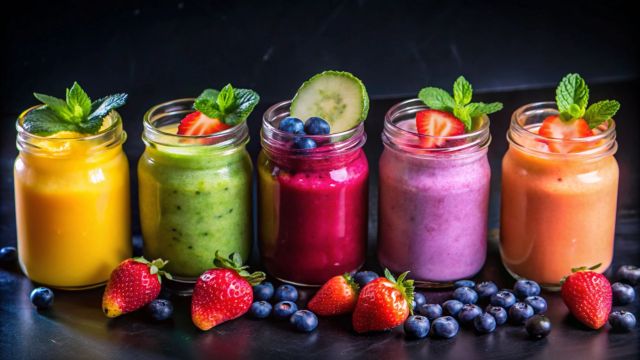
If you would like to jump start your path to health. You should start your day with a healthy smoothie. I created the best smoothie recipe on the internet. It you would like to learn more. Please click this link.
Click Here to Learn More!
In this comprehensive guide, you'll learn how to reduce LDL ("bad") cholesterol, raise HDL ("good") cholesterol, and support long-term cardiovascular health—all without a single pill. Whether you've already been diagnosed with high cholesterol or you're looking to prevent it, the following evidence-backed strategies can help you take control. We’ll also link you to key supporting resources, including our guides on how to lower cholesterol with diet and how to lower LDL.
Why Cholesterol Matters
Cholesterol is a waxy, fat-like substance in your blood. Your body uses it to build cells and make hormones. But too much LDL cholesterol—or not enough HDL—can lead to plaque buildup in your arteries, increasing the risk of heart attack and stroke.
When managed properly, cholesterol doesn't have to be a life-threatening issue. Instead of relying on medications like statins, many people opt for lifestyle-based approaches that improve their numbers while boosting overall health.
In fact, studies from the American Heart Association show that lifestyle changes can be just as effective as statins for many people with mild to moderate cholesterol elevations. These changes come with added benefits—like improved energy, better digestion, and reduced inflammation.
The Power of Lifestyle: How Natural Choices Make a Big Difference
Before diving into specific tips, let's understand why natural methods are so effective. Lifestyle interventions - like exercise, dietary changes, stress management, and sleep - directly influence the body's ability to regulate cholesterol production, absorption, and clearance.
Your liver controls cholesterol levels. It produces cholesterol and removes it by packaging it into HDL for disposal or into LDL for transport in the bloodstream. Lifestyle can affect every stage of this process.
Studies show that making even modest changes to your habits can lower LDL cholesterol by 10–20%, and when you combine multiple strategies, the effects are even greater.
For instance, combining a high-fiber diet, 30 minutes of daily exercise, and cutting back on added sugar can lead to a dramatic drop in LDL over just a few months.
Eat to Beat Cholesterol
Choose Heart-Healthy Fats
Swap saturated fats (found in red meats, butter, and full-fat dairy) for healthier options like:
• Olive oil
• Avocados
• Nuts and seeds
• Fatty fish (salmon, sardines, trout)
These foods contain monounsaturated and polyunsaturated fats that lower LDL and support HDL cholesterol.
Omega-3 fatty acids - found in fatty fish, flaxseeds, and chia seeds - can also help reduce inflammation and support overall heart health.
Load Up on Soluble Fiber
Soluble fiber binds to cholesterol and removes it from your body. Aim for 5–10 grams per day.
Best sources:
• Oats
• Beans and legumes
• Apples and pears
• Barley
• Psyllium husk
A study published in the Journal of Nutrition found that consuming at least 10 grams of soluble fiber per day was associated with a 10% reduction in LDL cholesterol.
Reduce Refined Carbs and Sugar
Simple sugars and processed carbs spike blood sugar and triglycerides, which can lead to lower HDL and higher LDL.
Avoid:
• White bread
• Pastries
• Sugary cereals
• Soda and sweetened drinks
Instead, choose whole grains, brown rice, quinoa, and starchy vegetables for long-lasting energy and blood sugar control.
Add Plant Sterols and Stanols
These naturally occurring substances reduce cholesterol absorption in your intestines. Look for fortified foods like:
• Orange juice
• Yogurt drinks
• Margarine spreads
Research suggests that 2 grams per day of plant sterols can lower LDL by about 10%.
Eat More Antioxidant-Rich Foods
Vegetables and fruits contain antioxidants that prevent LDL from oxidizing—a process that makes it more dangerous.
Focus on:
• Leafy greens
• Berries
• Tomatoes
• Bell peppers
The more colorful your plate, the better for your arteries. Aim for at least 5 servings of fruits and veggies daily.
Want a full meal plan? Read our how to lower cholesterol with diet page for a complete 7-day food guide.
Move Your Body: Exercise for Lower Cholesterol
Exercise boosts HDL levels and helps reduce LDL and triglycerides. Aim for:
• Cardio: Brisk walking, cycling, swimming, jogging (30–60 mins/day)
• Strength Training: 2 - 3 days / week to improve muscle mass and metabolism
Consistency is key. Even moderate activity provides lasting benefits.
If you're new to exercise, start with just 10 minutes of walking twice a day and gradually increase. Every bit counts.
Lose Extra Weight
Excess body weight - especially around the waist—can increase LDL and triglycerides. Losing just 5 - 10% of your body weight can significantly improve cholesterol levels.
Tips:
• Track your food with a journal or app
• Eat more whole foods, fewer processed snacks
• Practice portion control
Additionally, weight loss tends to improve insulin sensitivity and reduce systemic inflammation, both of which positively impact cholesterol metabolism.
Quit Smoking
Smoking lowers your HDL cholesterol and damages your blood vessels, increasing heart disease risk. Quitting offers immediate benefits:
• HDL levels begin to rise within weeks
• Blood circulation improves
• Heart attack risk decreases over time
If you're a smoker, this is one of the most powerful steps you can take for your heart. Behavioral therapy, nicotine patches, or medications can double your success rate.
Drink Alcohol in Moderation
Some studies suggest moderate alcohol (especially red wine) may raise HDL. But excessive drinking can increase triglycerides and lead to liver issues.
Safe guidelines:
• Women: 1 drink/day
• Men: 2 drinks/day
If you don't drink, there’s no need to start. Focus on hydrating with water, green tea, or herbal infusions instead.
Sleep and Stress Matter Too
Prioritize Restorative Sleep
Lack of sleep increases inflammation and can worsen cholesterol and blood pressure.
• Aim for 7 - 9 hours per night
• Keep a consistent sleep schedule
• Avoid screens 1 hour before bed
Manage Chronic Stress
Long-term stress releases cortisol, which may increase LDL and triglycerides.
Try:
• Meditation or deep breathing
• Journaling
• Nature walks
• Yoga
Also consider social connection and purpose-driven activities, both of which are linked to improved cardiovascular outcomes.
Supplements That Support Cholesterol Management
If you want to explore natural additions to your routine, consider these:
Omega-3 Fatty Acids
Found in fish oil or algae oil supplements, omega-3s reduce triglycerides and inflammation. Look for 1000–2000 mg daily of EPA/DHA combined.
Psyllium Husk
A plant-based fiber that supports bowel health and binds cholesterol. Start with 1 tsp daily mixed in water.
Red Yeast Rice
Contains compounds similar to statins. Effective, but consult your doctor first—especially if you're already on medication.
Niacin (Vitamin B3)
Can improve HDL and lower LDL—but high doses require supervision due to liver toxicity risks.
CoQ10
An antioxidant that may support heart health and reduce muscle pain for those transitioning off statins.
Always check with a healthcare provider before starting any supplement.
Frequently Asked Questions
Q: How quickly can I lower my cholesterol without medication?
You may see improvements in 4 - 6 weeks, with bigger changes over 3 - 6 months.
Q: Is medication ever necessary?
For some people, yes. Genetics or very high cholesterol may require statins, but lifestyle changes still play a key role.
Q: Can I stop my statin if my levels improve?
Never stop medication without consulting your doctor.
Q: Does genetics affect cholesterol?
Absolutely. But lifestyle changes can still make a big impact, even with a genetic predisposition.
Q: What are normal cholesterol levels?
Total cholesterol: below 200 mg/dL; LDL: below 100 mg/dL; HDL: above 60 mg/dL; Triglycerides: below 150 mg/dL.
Q: Do eggs raise cholesterol?
Eggs in moderation (1/day) are fine for most people. Focus more on saturated fat intake than dietary cholesterol.
Final Thoughts: You Have the Power
Learning how to lower cholesterol without medication gives you the tools to take charge of your health naturally. From adjusting your meals and moving more to managing stress and sleep, your choices matter.
Make small changes first - start your day with oats, walk after dinner, swap butter for olive oil. These habits add up. For more specific food-focused strategies, check out our full article on how to lower cholesterol with diet. If you're concerned about LDL specifically, visit our how to lower LDL guide for deeper insights.
With consistency and care, you can improve your numbers and reduce your heart disease risk—without relying on medication.
If you would like to jump start your path to health. You should start your day with a healthy smoothie. I created the best smoothie recipe on the internet. It you would like to learn more. Please click this link.
Click Here to Learn More!
What People Say