How to Reduce Your Cholesterol
Cholesterol is one of the most discussed yet misunderstood elements of health. If you've been told to manage your cholesterol levels or are simply curious about how to live a heart-healthy life, understanding how to reduce your cholesterol naturally and effectively is essential. The good news? It's entirely possible—with the right diet, lifestyle, and mindset.
In this comprehensive, guide, we'll show you science-backed strategies to reduce your cholesterol without overcomplicating things. Whether you're trying to lower LDL ("bad") cholesterol, increase HDL ("good") cholesterol, or manage triglycerides, this guide is your complete toolkit. From lifestyle changes and dietary modifications to daily routines and stress relief techniques, every step you take brings you closer to a healthier heart and longer life.
Our aim is to help you build sustainable habits. You don’t need a restrictive diet or expensive supplements—just some powerful knowledge and a willingness to apply it. We’ll also guide you toward essential resources such as our low cholesterol diet recipes and our practical tips in how to lower cholesterol with diet.
What Is Cholesterol and Why Should You Care?
Cholesterol is a waxy, fat-like substance found in every cell of your body. It's essential for building cells, hormones, and vitamin D. However, too much LDL cholesterol can accumulate in artery walls, causing plaque buildup and increasing the risk of heart disease and stroke.
There are two main types:
• LDL (Low-Density Lipoprotein): The "bad" cholesterol that leads to artery blockages.
• HDL (High-Density Lipoprotein): The "good" cholesterol that helps remove LDL from the bloodstream.
Keeping your LDL levels low and HDL levels high is the key to cardiovascular health. Even modest improvements in cholesterol balance can lead to meaningful reductions in heart disease risk. That’s why paying attention to your numbers—and making healthy choices to manage them—is critical at every age.
Why Reducing Cholesterol Matters
High cholesterol is a silent threat. It often shows no symptoms until a major health issue like a heart attack or stroke arises. That’s why prevention through lifestyle changes is so critical.
According to the American Heart Association, high cholesterol affects nearly 94 million adults in the United States. Even if you're currently on statins or other medications, improving your lifestyle can significantly enhance your health outcomes.
Making these changes isn't just about numbers on a lab report—it's about living longer, feeling better, and reducing the chances of experiencing sudden, life-altering cardiovascular events. When you take proactive steps toward heart health, you also improve your energy, cognitive clarity, and overall vitality.
Keeping your LDL levels low and HDL levels high is the key to cardiovascular health. Even modest improvements in cholesterol balance can lead to meaningful reductions in heart disease risk. That’s why paying attention to your numbers—and making healthy choices to manage them—is critical at every age. High cholesterol has also been linked to other health problems, including stroke, chronic kidney disease, and peripheral artery disease. These risks underscore the importance of taking control now—before problems arise.
How to Reduce Your Cholesterol with Lifestyle Changes
1. Eat a Cholesterol-Lowering Diet
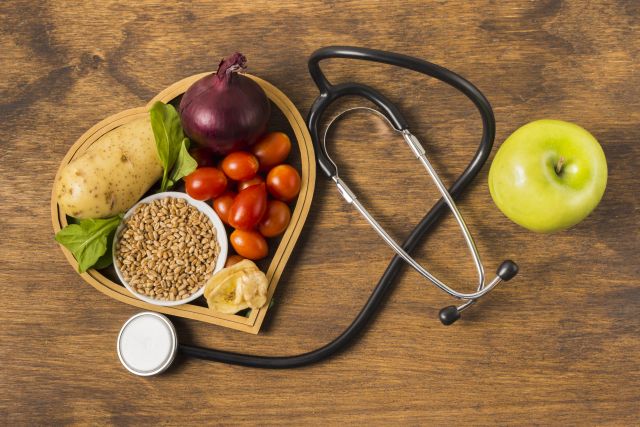
Your diet plays the biggest role in cholesterol management. A diet rich in soluble fiber, healthy fats, plant proteins, and whole grains can dramatically reduce LDL levels.
Focus on Cholesterol-Lowering Foods: • Oats and barley - High in beta-glucan, a type of soluble fiber
• Beans and lentils - Great for gut and heart health
• Nuts and seeds - Almonds, walnuts, chia, and flaxseed
• Fatty fish Salmon, mackerel, and sardines are rich in omega-3s
• Vegetables - Especially leafy greens and cruciferous veggies
• Fruits - Apples, grapes, citrus fruits, and berries
Replace saturated and trans fats with heart-healthy fats:
• Use olive oil instead of butter
• Snack on nuts instead of chips
• Swap red meat for tofu, lentils, or legumes
Explore some of our top low cholesterol diet recipes for inspiration. Healthy meals can be easy and delicious when built around plant-based ingredients, healthy oils, and lean proteins.
2. Avoid Foods That Raise Cholesterol
It's not just about what you eat—it's also about what you avoid:
• Saturated fats: Found in red meat, full-fat dairy, butter, and processed snacks
• Trans fats: Often in packaged baked goods and margarine
• Excess sugar and refined carbs: These raise triglycerides and lower HDL
• Alcohol in excess: Raises blood pressure and triglycerides
Reading labels carefully and learning how to identify hidden fats and sugars in everyday items like salad dressings, coffee creamers, and even so-called "health bars" can make a significant difference.
Minimize processed and fast food meals. Cook at home whenever possible so you control what goes into your meals. If you eat out, opt for grilled dishes over fried, and request dressings and sauces on the side.
3. Increase Physical Activity
Regular exercise helps boost HDL (good cholesterol) while reducing LDL and triglycerides. Aim for:
• 150 minutes of moderate-intensity exercise/week (e.g., brisk walking, swimming)
• 75 minutes of vigorous-intensity exercise/week (e.g., jogging, cycling)
Try to incorporate physical activity you enjoy. That could be dancing, gardening, martial arts, or a daily bike ride with your kids. The key is consistency.
Incorporate strength training and flexibility workouts to round out your fitness and prevent injury. Exercise improves circulation and metabolic health, both of which help regulate cholesterol over time.
4. Quit Smoking
Smoking lowers HDL and damages blood vessels, making it easier for cholesterol to form plaques. Quitting smoking is one of the fastest ways to improve your heart health.
In just 20 minutes after quitting, your blood pressure and heart rate begin to normalize. Within weeks, HDL levels improve and circulation becomes more efficient. It’s one of the most impactful changes you can make.
Even if you've smoked for decades, quitting now can drastically reduce your risk of cardiovascular disease. Consider nicotine replacement therapy, support groups, or smoking cessation programs to improve your chances of success.
5. Maintain a Healthy Weight
Even a 5–10% reduction in body weight can significantly lower cholesterol and triglyceride levels. Focus on gradual, sustainable changes over crash dieting.
A good starting point is tracking your meals and using apps like MyFitnessPal or Cronometer. These tools can help you identify where you might be consuming too many hidden fats or sugars and support more mindful eating.
Meal planning and prep can help prevent last-minute, unhealthy food decisions. Fill half your plate with vegetables, and aim to eat lean proteins and whole grains.
6. Manage Stress
Chronic stress elevates cortisol, which may raise LDL and blood pressure. Consider practices like:
• Mindful breathing
• Yoga or tai chi
• Journaling
• Talking to a therapist or coach
• Regular time in nature
Stress management isn't just about relaxation—it's about hormonal balance. Long-term stress can make healthy eating and exercise feel impossible, so don't overlook this area.
Developing a healthy routine, limiting screen time, and fostering positive social connections can go a long way in lowering your stress levels and supporting heart health.
7. Monitor Your Cholesterol Levels Regularly
A simple blood test can provide your lipid profile:
• Total cholesterol
• LDL
• HDL
• Triglycerides
Track your numbers every 6–12 months if you're at risk or making changes. Knowing your baseline helps you understand whether your strategies are working.
Work with your doctor or a registered dietitian to develop a personalized plan. Regular monitoring ensures you stay on track and adapt your approach based on results.
A Sample Day of Eating for Lower Cholesterol
Here's how a full day of cholesterol-lowering meals might look:
Breakfast: • Steel-cut oats topped with blueberries, flaxseed, and almond milk
Snack: • A small apple with 1 tbsp almond butter
Lunch: • Lentil soup with a side salad (olive oil & vinegar dressing)
Snack: • Handful of walnuts or air-popped popcorn
Dinner: • Grilled salmon, quinoa, and steamed broccoli
Find more complete meals in our how to lower cholesterol with diet article.
Supplements That May Help
While whole foods are best, supplements can provide support when used correctly:
• Plant sterols/stanols – Found in fortified foods or capsules
• Soluble fiber (psyllium husk) – Reduces cholesterol absorption
• Niacin (vitamin B3) – Can raise HDL, but consult your doctor first
• Fish oil (EPA/DHA) – Lowers triglycerides
• Red yeast rice – A natural alternative to statins (use with caution and medical advice)
Always consult a healthcare provider before starting supplements. Be mindful that some supplements can interact with medications or have side effects if overused.
Common Myths About Cholesterol
• Myth 1: All fats are bad.
• Truth: Healthy fats (monounsaturated and polyunsaturated) help reduce LDL.
• Myth 2: Only overweight people have high cholesterol.
• Truth: Genetics and diet play a huge role. Thin people can have high cholesterol.
• Myth 3: Medication is the only option.
• Truth: Lifestyle changes can be equally or more effective in many cases.
• Myth 4: If you feel fine, you don't need to check your cholesterol.
• Truth: High cholesterol often has no symptoms until it's too late.
Understanding the facts behind these myths empowers you to make smarter health decisions.
When to See a Doctor
Consult a healthcare professional if:
• Your LDL is above 130 mg/dL
• HDL is below 40 mg/dL (men) or 50 mg/dL (women)
• Triglycerides exceed 150 mg/dL
• You have a family history of heart disease
They may recommend further testing or medication. Early intervention is key. If you've already made lifestyle changes and your numbers remain high, additional treatments may be necessary.
Conclusion: Take Charge of Your Heart Health
Learning how to reduce your cholesterol naturally is an empowering step toward long-term wellness. By eating a heart-smart diet, staying active, managing stress, and avoiding harmful habits, you can take control of your health and reduce your risk of heart disease.
Don't try to do everything at once. Start with small steps—replace butter with olive oil, add a serving of oats to breakfast, or go for a 30-minute walk daily.
Focus on consistency rather than perfection. Over time, your small daily actions build into lasting change. Cholesterol reduction is not just a number; it's a transformation in how you treat your body and care for your future.
For more recipe ideas, browse our low cholesterol diet recipes. To create a weekly plan, check out our comprehensive low cholesterol meal plan. Pair these resources with guidance from your healthcare provider, and you'll be on the path to better health in no time.
By implementing these strategies consistently and mindfully, you'll improve your heart health, feel more energized, and gain peace of mind knowing you’re doing what's best for your body. Your heart works for you 24/7—give it the care it deserves.
If you would like to jump start your path to health. You should start your day with a healthy smoothie. I created the best smoothie recipe on the internet. It you would like to learn more. Please click this link.
Click Here to Learn More!
In this comprehensive, guide, we'll show you science-backed strategies to reduce your cholesterol without overcomplicating things. Whether you're trying to lower LDL ("bad") cholesterol, increase HDL ("good") cholesterol, or manage triglycerides, this guide is your complete toolkit. From lifestyle changes and dietary modifications to daily routines and stress relief techniques, every step you take brings you closer to a healthier heart and longer life.
Our aim is to help you build sustainable habits. You don’t need a restrictive diet or expensive supplements—just some powerful knowledge and a willingness to apply it. We’ll also guide you toward essential resources such as our low cholesterol diet recipes and our practical tips in how to lower cholesterol with diet.
What Is Cholesterol and Why Should You Care?
Cholesterol is a waxy, fat-like substance found in every cell of your body. It's essential for building cells, hormones, and vitamin D. However, too much LDL cholesterol can accumulate in artery walls, causing plaque buildup and increasing the risk of heart disease and stroke.
There are two main types:
• LDL (Low-Density Lipoprotein): The "bad" cholesterol that leads to artery blockages.
• HDL (High-Density Lipoprotein): The "good" cholesterol that helps remove LDL from the bloodstream.
Keeping your LDL levels low and HDL levels high is the key to cardiovascular health. Even modest improvements in cholesterol balance can lead to meaningful reductions in heart disease risk. That’s why paying attention to your numbers—and making healthy choices to manage them—is critical at every age.
Why Reducing Cholesterol Matters
High cholesterol is a silent threat. It often shows no symptoms until a major health issue like a heart attack or stroke arises. That’s why prevention through lifestyle changes is so critical.
According to the American Heart Association, high cholesterol affects nearly 94 million adults in the United States. Even if you're currently on statins or other medications, improving your lifestyle can significantly enhance your health outcomes.
Making these changes isn't just about numbers on a lab report—it's about living longer, feeling better, and reducing the chances of experiencing sudden, life-altering cardiovascular events. When you take proactive steps toward heart health, you also improve your energy, cognitive clarity, and overall vitality.
Keeping your LDL levels low and HDL levels high is the key to cardiovascular health. Even modest improvements in cholesterol balance can lead to meaningful reductions in heart disease risk. That’s why paying attention to your numbers—and making healthy choices to manage them—is critical at every age. High cholesterol has also been linked to other health problems, including stroke, chronic kidney disease, and peripheral artery disease. These risks underscore the importance of taking control now—before problems arise.
How to Reduce Your Cholesterol with Lifestyle Changes
1. Eat a Cholesterol-Lowering Diet
Your diet plays the biggest role in cholesterol management. A diet rich in soluble fiber, healthy fats, plant proteins, and whole grains can dramatically reduce LDL levels.
Focus on Cholesterol-Lowering Foods: • Oats and barley - High in beta-glucan, a type of soluble fiber
• Beans and lentils - Great for gut and heart health
• Nuts and seeds - Almonds, walnuts, chia, and flaxseed
• Fatty fish Salmon, mackerel, and sardines are rich in omega-3s
• Vegetables - Especially leafy greens and cruciferous veggies
• Fruits - Apples, grapes, citrus fruits, and berries
Replace saturated and trans fats with heart-healthy fats:
• Use olive oil instead of butter
• Snack on nuts instead of chips
• Swap red meat for tofu, lentils, or legumes
Explore some of our top low cholesterol diet recipes for inspiration. Healthy meals can be easy and delicious when built around plant-based ingredients, healthy oils, and lean proteins.
2. Avoid Foods That Raise Cholesterol
It's not just about what you eat—it's also about what you avoid:
• Saturated fats: Found in red meat, full-fat dairy, butter, and processed snacks
• Trans fats: Often in packaged baked goods and margarine
• Excess sugar and refined carbs: These raise triglycerides and lower HDL
• Alcohol in excess: Raises blood pressure and triglycerides
Reading labels carefully and learning how to identify hidden fats and sugars in everyday items like salad dressings, coffee creamers, and even so-called "health bars" can make a significant difference.
Minimize processed and fast food meals. Cook at home whenever possible so you control what goes into your meals. If you eat out, opt for grilled dishes over fried, and request dressings and sauces on the side.
3. Increase Physical Activity
Regular exercise helps boost HDL (good cholesterol) while reducing LDL and triglycerides. Aim for:
• 150 minutes of moderate-intensity exercise/week (e.g., brisk walking, swimming)
• 75 minutes of vigorous-intensity exercise/week (e.g., jogging, cycling)
Try to incorporate physical activity you enjoy. That could be dancing, gardening, martial arts, or a daily bike ride with your kids. The key is consistency.
Incorporate strength training and flexibility workouts to round out your fitness and prevent injury. Exercise improves circulation and metabolic health, both of which help regulate cholesterol over time.
4. Quit Smoking
Smoking lowers HDL and damages blood vessels, making it easier for cholesterol to form plaques. Quitting smoking is one of the fastest ways to improve your heart health.
In just 20 minutes after quitting, your blood pressure and heart rate begin to normalize. Within weeks, HDL levels improve and circulation becomes more efficient. It’s one of the most impactful changes you can make.
Even if you've smoked for decades, quitting now can drastically reduce your risk of cardiovascular disease. Consider nicotine replacement therapy, support groups, or smoking cessation programs to improve your chances of success.
5. Maintain a Healthy Weight
Even a 5–10% reduction in body weight can significantly lower cholesterol and triglyceride levels. Focus on gradual, sustainable changes over crash dieting.
A good starting point is tracking your meals and using apps like MyFitnessPal or Cronometer. These tools can help you identify where you might be consuming too many hidden fats or sugars and support more mindful eating.
Meal planning and prep can help prevent last-minute, unhealthy food decisions. Fill half your plate with vegetables, and aim to eat lean proteins and whole grains.
6. Manage Stress
Chronic stress elevates cortisol, which may raise LDL and blood pressure. Consider practices like:
• Mindful breathing
• Yoga or tai chi
• Journaling
• Talking to a therapist or coach
• Regular time in nature
Stress management isn't just about relaxation—it's about hormonal balance. Long-term stress can make healthy eating and exercise feel impossible, so don't overlook this area.
Developing a healthy routine, limiting screen time, and fostering positive social connections can go a long way in lowering your stress levels and supporting heart health.
7. Monitor Your Cholesterol Levels Regularly
A simple blood test can provide your lipid profile:
• Total cholesterol
• LDL
• HDL
• Triglycerides
Track your numbers every 6–12 months if you're at risk or making changes. Knowing your baseline helps you understand whether your strategies are working.
Work with your doctor or a registered dietitian to develop a personalized plan. Regular monitoring ensures you stay on track and adapt your approach based on results.
A Sample Day of Eating for Lower Cholesterol
Here's how a full day of cholesterol-lowering meals might look:
Breakfast: • Steel-cut oats topped with blueberries, flaxseed, and almond milk
Snack: • A small apple with 1 tbsp almond butter
Lunch: • Lentil soup with a side salad (olive oil & vinegar dressing)
Snack: • Handful of walnuts or air-popped popcorn
Dinner: • Grilled salmon, quinoa, and steamed broccoli
Find more complete meals in our how to lower cholesterol with diet article.
Supplements That May Help
While whole foods are best, supplements can provide support when used correctly:
• Plant sterols/stanols – Found in fortified foods or capsules
• Soluble fiber (psyllium husk) – Reduces cholesterol absorption
• Niacin (vitamin B3) – Can raise HDL, but consult your doctor first
• Fish oil (EPA/DHA) – Lowers triglycerides
• Red yeast rice – A natural alternative to statins (use with caution and medical advice)
Always consult a healthcare provider before starting supplements. Be mindful that some supplements can interact with medications or have side effects if overused.
Common Myths About Cholesterol
• Myth 1: All fats are bad.
• Truth: Healthy fats (monounsaturated and polyunsaturated) help reduce LDL.
• Myth 2: Only overweight people have high cholesterol.
• Truth: Genetics and diet play a huge role. Thin people can have high cholesterol.
• Myth 3: Medication is the only option.
• Truth: Lifestyle changes can be equally or more effective in many cases.
• Myth 4: If you feel fine, you don't need to check your cholesterol.
• Truth: High cholesterol often has no symptoms until it's too late.
Understanding the facts behind these myths empowers you to make smarter health decisions.
When to See a Doctor
Consult a healthcare professional if:
• Your LDL is above 130 mg/dL
• HDL is below 40 mg/dL (men) or 50 mg/dL (women)
• Triglycerides exceed 150 mg/dL
• You have a family history of heart disease
They may recommend further testing or medication. Early intervention is key. If you've already made lifestyle changes and your numbers remain high, additional treatments may be necessary.
Conclusion: Take Charge of Your Heart Health
Learning how to reduce your cholesterol naturally is an empowering step toward long-term wellness. By eating a heart-smart diet, staying active, managing stress, and avoiding harmful habits, you can take control of your health and reduce your risk of heart disease.
Don't try to do everything at once. Start with small steps—replace butter with olive oil, add a serving of oats to breakfast, or go for a 30-minute walk daily.
Focus on consistency rather than perfection. Over time, your small daily actions build into lasting change. Cholesterol reduction is not just a number; it's a transformation in how you treat your body and care for your future.
For more recipe ideas, browse our low cholesterol diet recipes. To create a weekly plan, check out our comprehensive low cholesterol meal plan. Pair these resources with guidance from your healthcare provider, and you'll be on the path to better health in no time.
By implementing these strategies consistently and mindfully, you'll improve your heart health, feel more energized, and gain peace of mind knowing you’re doing what's best for your body. Your heart works for you 24/7—give it the care it deserves.
If you would like to jump start your path to health. You should start your day with a healthy smoothie. I created the best smoothie recipe on the internet. It you would like to learn more. Please click this link.
Click Here to Learn More!
What People Say